
Inhaled forms
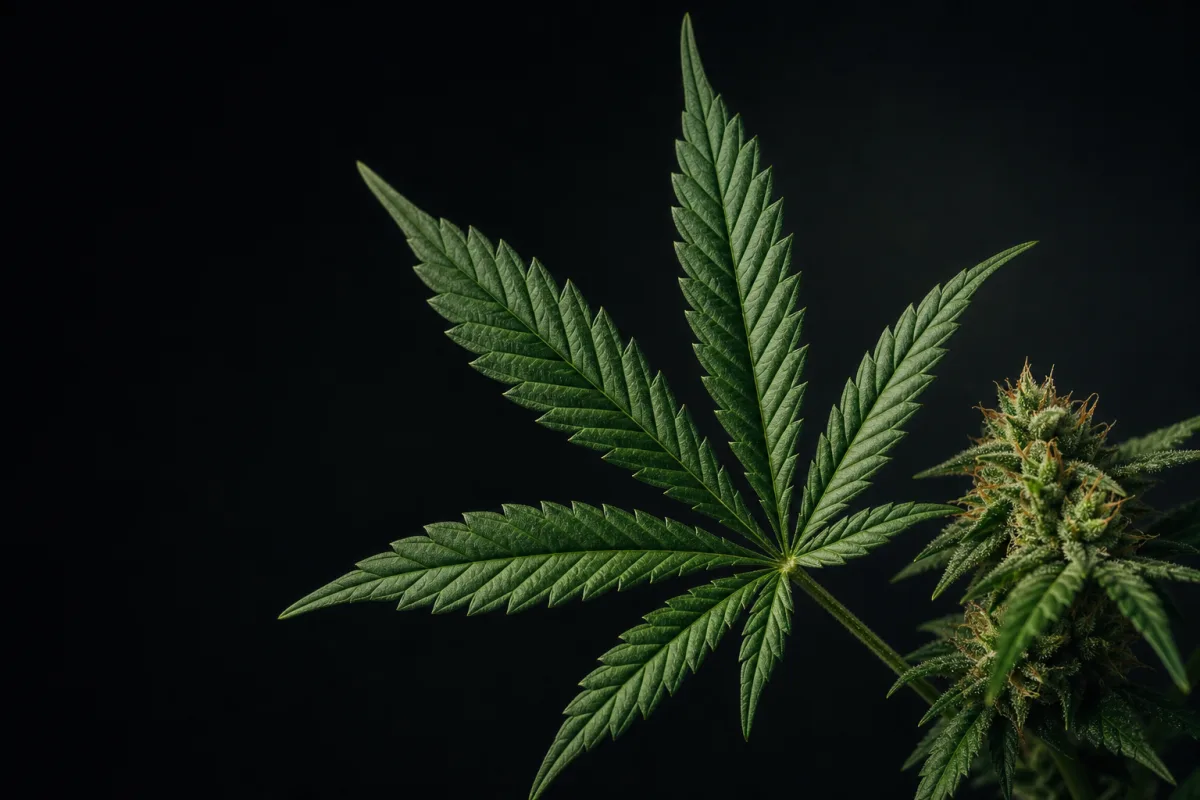
Inhaled cannabis includes smoke from dried flower and aerosols produced by vaporizing flower or extracts. Combustion burns plant material, while vaporization heats material without intentionally burning it. Concentrates are preparations in which selected plant compounds have been separated from the original plant material. Their texture and composition can vary according to how they were produced.
Oral forms
Oral preparations are swallowed. This broad category includes edibles, beverages, capsules, and oils intended for ingestion. The digestive system and liver process swallowed material before its compounds circulate through the body. Because formulation, serving size, individual biology, and whether food is present can all differ, one oral preparation should not be assumed to behave exactly like another.
Oromucosal forms
Oromucosal preparations are designed to contact tissues in the mouth, often under the tongue or along the cheek. Tinctures, sprays, and dissolvable formats may use this route. Some of the material may be absorbed through oral tissues, while material that is swallowed continues through the digestive system.
Topical and transdermal forms
Topical preparations are applied to the skin and are generally intended to remain at or near the application area. Transdermal systems are designed differently: they aim to move compounds across the skin. The words “topical” and “transdermal” therefore describe different formulation goals and should not be treated as interchangeable.
Reading a label
A regulated label may identify the route, serving size, cannabinoid amounts, ingredients, testing information, and required warnings. These details are more informative than packaging style alone. Laws and label formats vary, so adults should rely on the package’s required information and the rules in their jurisdiction.
The central idea is simple: flower, extracts, edibles, beverages, oral-mucosal preparations, and skin-applied preparations are distinct categories. Understanding the route helps a reader interpret what a label is describing without making assumptions from a product’s appearance or name.